



The more one dives into the world of coffee, the more there is to learn. As someone who has worked in the industry for a long time, it’s hard to know where to start looking when seeking certain flavors in coffee. Here at Genuine Origin, we often get asked about the differences in coffee origin flavors. So, we decided to create a comprehensive guide to coffee origin flavors. With more than 70 countries producing coffee, a green buyer needs a starting point.
Coffee is amazing. No other beverage is a product of so many different parts of the world. A nicely brewed cup of coffee can take you on a trip to anywhere in the world at a moment’s notice. When you’re drinking an Ethiopia, you can taste the distinctive terroir, and, in a way, it can transport you there! There is a lot of talk in the industry about terroir (If you’re unfamiliar with this or other terms, you can check out our glossary), which the dictionary defines as a French agricultural concept that translates to “sense of place”. It describes how a specific region’s unique combination of soil, climate, terrain, and local farming traditions influence the distinct taste, aroma, and character of a crop. The idea of terroir is that someone could literally taste the land.
Touring the World in a Cup
Though coffee can always surprise you by how it tastes, there are certain properties inherent to every coffee growing region and country. The goal of this article is to give a breakdown of each region by how it generally tastes, and create a guide to how our customers look for coffee. Alongside this guide, customers can always feel free to use the “narrow by” filters on our website. These allow you to select specific traits of coffees you’re seeking — by origin, flavor, body, and acidity, for instance.
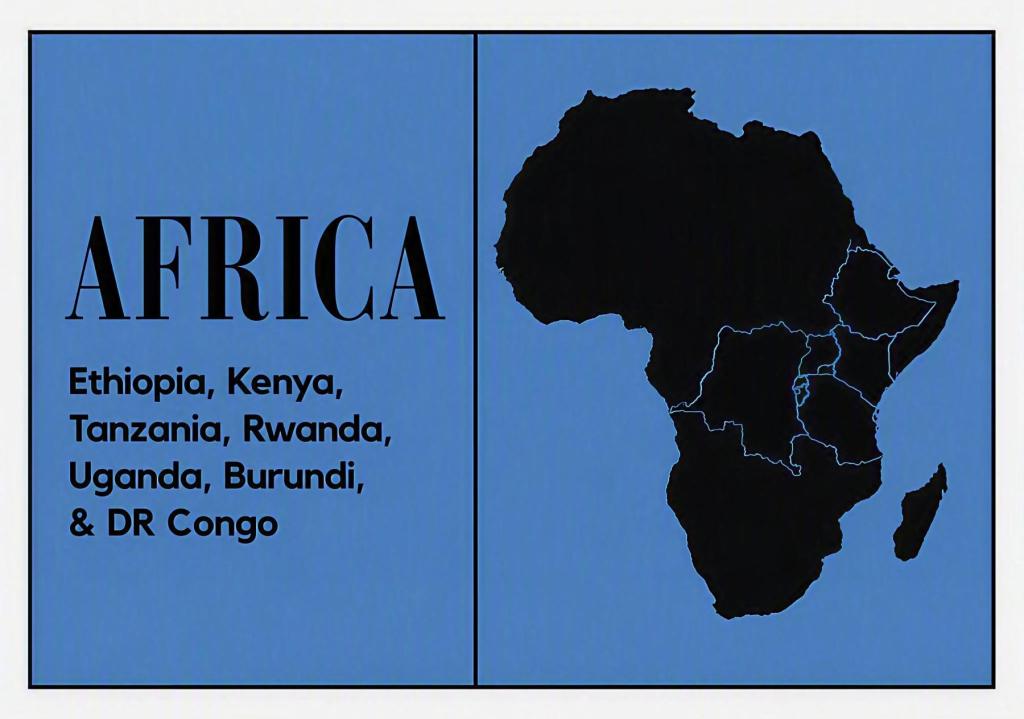
Africa
Africa is the birthplace of coffee. Generally speaking, Africa is where you will find coffees that are very bright, fruity, and have a sparkling acidity. The body of the coffee depends on the specific country, but washed African coffees tend to be lighter bodied, and naturally processed coffees tend to be heavier.
Ethiopia
Ethiopia is not only the cradle of humankind, but the cradle of coffee as well. If you are seeking bright and sparkling washed coffees, along with berry forward naturals, Ethiopia is the place to start! Ethiopian coffees are often used as single origins by roasters and cafes because they are complex and layered. For a deeper dive on coffee in Ethiopia, visit our Ethiopia coffee guide. Here are the bullet points on what you’ll find from Ethiopian coffees:
Washed Coffees
- Bright, sparkling acidity
- Notes of Lemon, Lime, Peach, Nectarine
- Tea like body or finish
- Floral flavors (jasmine, honey, lavender)
- Layered and complex
- Useful for higher acidity components in blends
Natural Coffees
- Juicy, heavier bodied
- Berry forward
- Notes of Raspberry, blueberry, and stone fruit
- Useful for body and berry notes in blends
Kenya
Bordering Ethiopia to the South, coffees from Kenya are a close cousin to Ethiopia. They are a different side of the same coin, with some more interesting flavors that are distinctively Kenyan. Kenyas tend to be a little bit more tart than Ethiopian coffees. Naturally processed coffees from Kenya are relatively rare, so we’ll focus more on washed coffees.
- Bright acidity with a dark chocolate finish
- Notes of grapefruit, apricot, black currant, orange, and green apple
- Floral, honey, and sometimes even tropical
- More full bodied than Ethiopia
- Some Kenyan coffees are sought after for having an herbal, or even tomato quality
Tanzania
Home to Mt. Kilimanjaro—the highest point in Africa—Tanzania is a powerhouse of natural beauty and coffee-growing potential. Tanzania’s diverse terroir spans volcanic slopes, lush valleys, and elevated plateaus, making it ideal for cultivating expressive Arabica varieties. Most coffee is grown by smallholder farmers and processed at communal washing stations, often using traditional washed methods. Tanzania makes a great substitute for roasters looking to replace Kenya or Ethiopia. Read more on Tanzanian coffee in our article about Tanzanian coffee production.
- Lighter bodied
- Black tea forward flavors, often with notes of citrus and honey
- Look for notes of dried fruit and raisin
Uganda and Rwanda
I’m grouping together some of these countries because they have similar properties and are not quite as popular as Ethiopia and Kenya. Rwanda and Uganda border each other from North to South, sharing the Virunga Mountain range, which makes the terroir similar. You can learn more about Ugandan coffee in our Uganda Origin report.
- This region is marked by a tactile starchiness in the coffee
- Uganda and Rwanda are fuller bodied, chocolate forward
- Rwanda tends to have more complexity, while Uganda tends to be heartier
- Notes of milk chocolate, cherry, orange citrus, plum, honey, cola and black tea
- Green buyers can find washed, natural, and honey of both
DR Congo and Burundi
Both of these coffee origins have unique qualities, but they have a lot in common with Kenyan coffees. DR Congo and Burundi coffees are sweet, tart, complex and lovely.
- Both Burundi and DR Congo can be similar to Kenya in flavor profile
- Medium bodied, slick mouthfeel
- Notes of cherry, apple, melon, and raspberry
- DR Congo can be more floral and tart, while Burundi often has more brown sugar
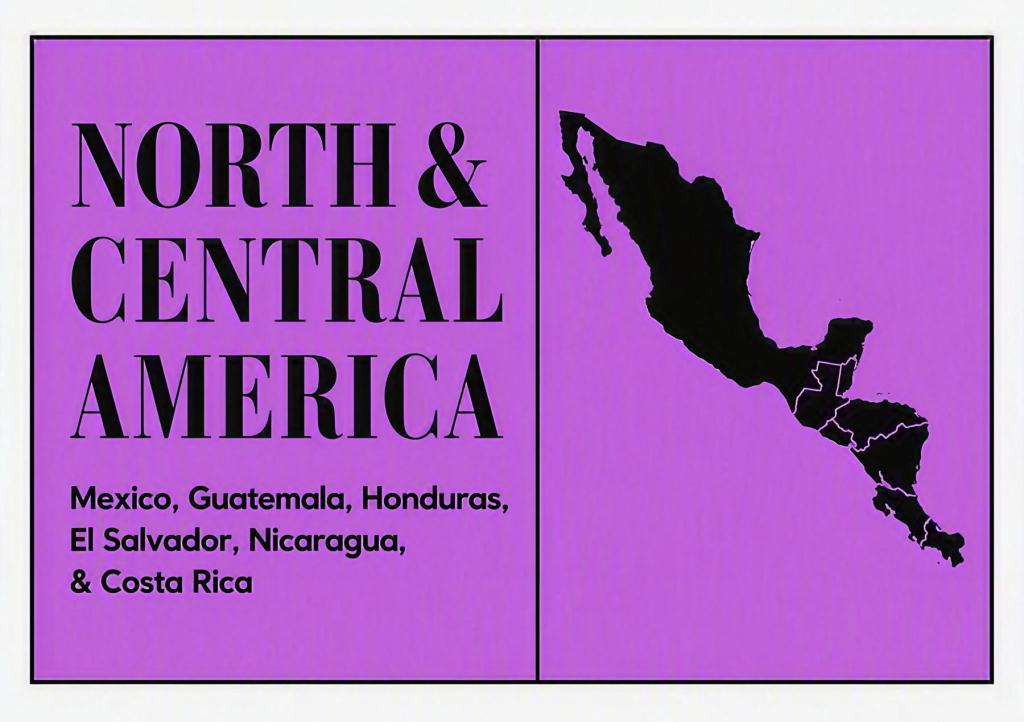
North & Central America
Mexico
The only commercially viable producer in North America, Mexico’s coffee shares characteristics with its Central American neighbors. Mexican coffee is underrated, but a savvy green buyer can find a rich selection in this coffee origin. Boasting everything from single origin quality to blenders, Mexico is a reliable coffee growing country. And with its proximity to the United States, it’s often more affordable.
Washed Coffees
- Milk chocolate and almond forward
- Notes of red apple, citrus, honey, and brown sugar
- Mexican coffees can be very sweet
- Great as single origin or a neutral blending base with other coffees
Natural Coffees
- Not as common, and often wilder flavors in the cup
- Wine-like acidity and mouthfeel
- Berry forward, juicy
- Notes of raspberry, hibiscus, and citrus
Guatemala
Guatemala’s high-altitude terrain makes it one of the most dynamic coffee-growing countries in Central America. With eight distinct Arabica-producing regions, the country offers exceptional variety for specialty coffee roasters seeking complexity, balance, and clarity in the cup. Readers can find more info in our article about coffee in Guatemala. My favorite coffees are washed Guatemalans (Admittedly, I’m biased. But what’s not to love?). I’ll keep the focus on washed coffees, because naturals from Guatemala are a rarity.
- Always very sweet and agreeable
- Milk chocolate, caramel, nougat and almond forward
- Notes of citrus, brown sugar, apple, praline, and pear
- Great as single origin or in a blend
Honduras
Honduran coffee is a staple of Genuine Origin. Our sister company in Honduras, Molinos de Honduras, is the oldest operating green coffee exporter in this coffee origin. Read more about Honduran coffee in our deep dive article. They help us source some of the best coffees the nation has to offer. Honduran coffee quality has been on a steady rise for years now, and it has become a fan favorite with GO customers as well. When I think of Honduran coffee, I can’t help think of how simply reliable they are.
- Milk chocolate, nougat, and caramel
- Sometimes nutty with hints of apple and citrus acidity
- Versatile — great for blends, single origins
- A coffee for everyone and any application
El Salvador
El Salvador is one of the top 20 coffee producing countries (it used to be a lot bigger). Although the output is less now, El Salvador produces a variety of qualities of coffee. Green buyers will find everything from blenders to beautiful coffees that can be used as single-origins.
- Notes of chocolate, green apple, and almond
- Great every day drinking coffees
- Good for blending but can stand as a single origin
- Microlots from El Salvador can often be sparkling, juicy, and vibrant
Nicaragua
Nicaragua, the largest country in Central America, is emerging as a compelling origin for specialty coffee. With fertile volcanic soils, high altitudes, and diverse microclimates, Nicaragua offers ideal conditions for growing high-quality Arabica coffee. Farmers are investing in improved processing methods and varieties, elevating cup quality across the board. Genuine Origin’s long-term sourcing partner, La Bastilla Estates, is one of Nicaragua’s most innovative processors and growers in the specialty coffee industry.
Washed Coffees
- Known for simplicity
- Great for blending
- Dark chocolate, nutty, and brown sugar forward
- Notes of raisin, apple, and citrus
Natural and Experimental
- More wild and jammy flavors to be found
- Notes of raspberry, blueberry, and florals
- Very sweet, slick and even herbaceous
Costa Rica
The sheer variety of coffee grown and processed in Costa Rica makes this coffee origin exciting. Our Costa Rican coffees come from dedicated smallholders who have partnered with our team in Costa Rica for decades – to learn more in our Costa Rican coffee report. The country boasts a multitude of micro-climates and with volcanic soil throughout Costa Rica’s growing regions, it’s a perfect environment for high-quality specialty coffee cultivation. Added to these beneficial factors, Costa Rican producers have come up with some of the most innovative coffee processes in all of the coffee industry.
Washed Coffees
- clean and refined
- Often brown sugar, praline, honey, and apple forward
- Notes of cane sugar, cherry, citrus, and red grape
- Great for single origins or a morning coffee
Honey Processed Coffees
- A nice in-between of natural and washed
- Tangier mouthfeel than washed coffees
- Sweet with notes of honey and raspberry
- Other notes can include milk chocolate, caramel, and red apple
Natural & Anaerobic
- More wild flavors present
- Extended fermentations in-cherry intensify flavors
- Berry forward and thick mouthfeel
- Notes of cinnamon, raspberry, black cherry, hibiscus, and blueberry
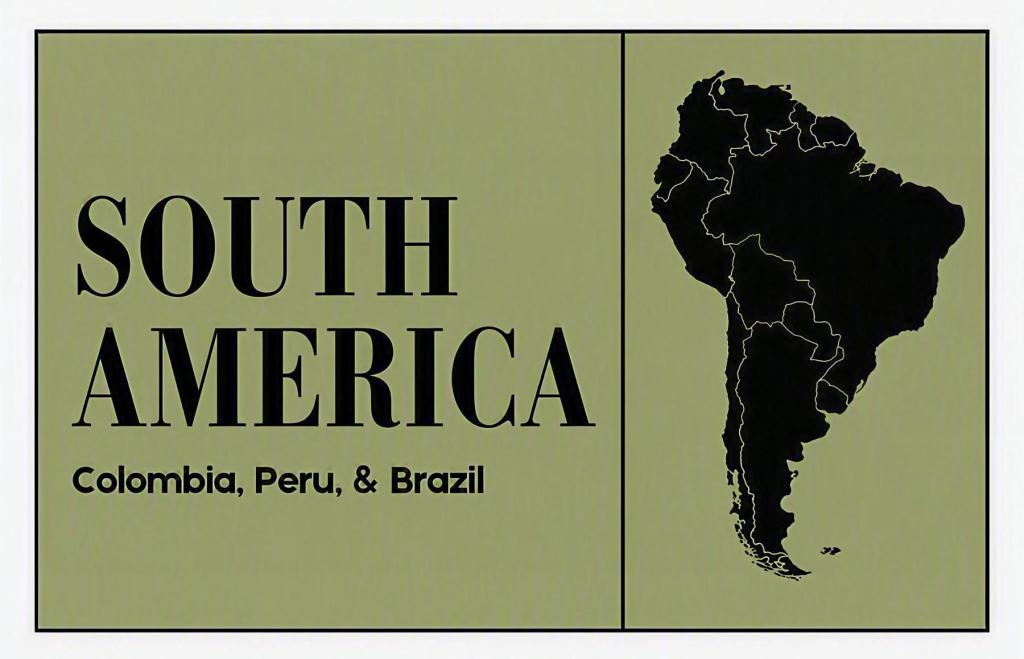
South America
Coffee from South America is the most widely known and available. With Brazil alone encompassing 40% of the entire arabica trade, South America is a behemoth in the world of coffee. The sheer variety of coffee types and flavors available throughout South America make for an exciting adventure.
Colombia
Colombian coffee is crafted primarily by small, family-owned farms nestled within Colombia’s picturesque mountain ranges. With two distinct harvest seasons and a rich variety of microclimates, it’s no surprise that Colombia stands as the world’s third-largest producer. At Genuine Origin, we proudly source our green coffee beans through our sister company and trusted partners in Colombia. While we offer unroasted green coffees from several key coffee-growing regions, our primary focus is on the esteemed areas of Huila, Nariño, Cauca, and Antioquia.
Microlots
- Higher scoring, more complex coffees
- Usually from a single farm or small cooperative
- Wildly layered and nuanced flavors
- Heavily floral and sweet
- Notes of red apple, cherry, citrus, stone fruit, and even tropical fruits
- Best as lighter roast
Regional Lots from smallholders
- A snapshot of the flavor profile in a larger region
- Many small producers bringing their coffee to a central processing station
- Milk chocolate forward and sweet
- Notes of milk chocolate, almond, dried fruit, and citrus
- Can be used for any application
- Can be roasted to any level
Brazil
Brazil is the metronome by which all coffee is traded. It is a powerhouse in the coffee world. The best part of Brazil for a green buyer is that it’s simple, well-loved, and can easily be substituted. Brazil is used as the main blend component for the majority of blends you’ll find in the industry. It is delicious, always available, and one of the most malleable options in a roastery. For more information, visit our resource on coffee processing in Brazil.
- Many options readily available
- The most agreeable origin for coffee drinkers
- One of the best bases for blending coffee
- Milk chocolate forward with an inherent nutty quality
- Notes of chocolate, dried fruit, granola, almond, and peanut
- Roasts well to any level
Peru
In the high altitudes of the Peruvian Andes, Peru’s coffee is often shade grown on smallholder farms nestled in cloud forests. Harvesting is selective and can take up to five passes to ensure only ripe cherries are picked. Most lots are pulped, fermented, and washed in artisanal micro-mills located on or near the farms. These coffees consistently showcase sweet, balanced flavor profiles that are easy to roast and versatile across brew methods. Readers can find out more in our article, demystifying Peruvian coffee.
- Sweet, brown sugar forward coffees
- Notes of date, apple, cherry, fig, and baking spice
- Great for single origins and blending
- Not as common as other South American origins
- Sings as a light or medium roast
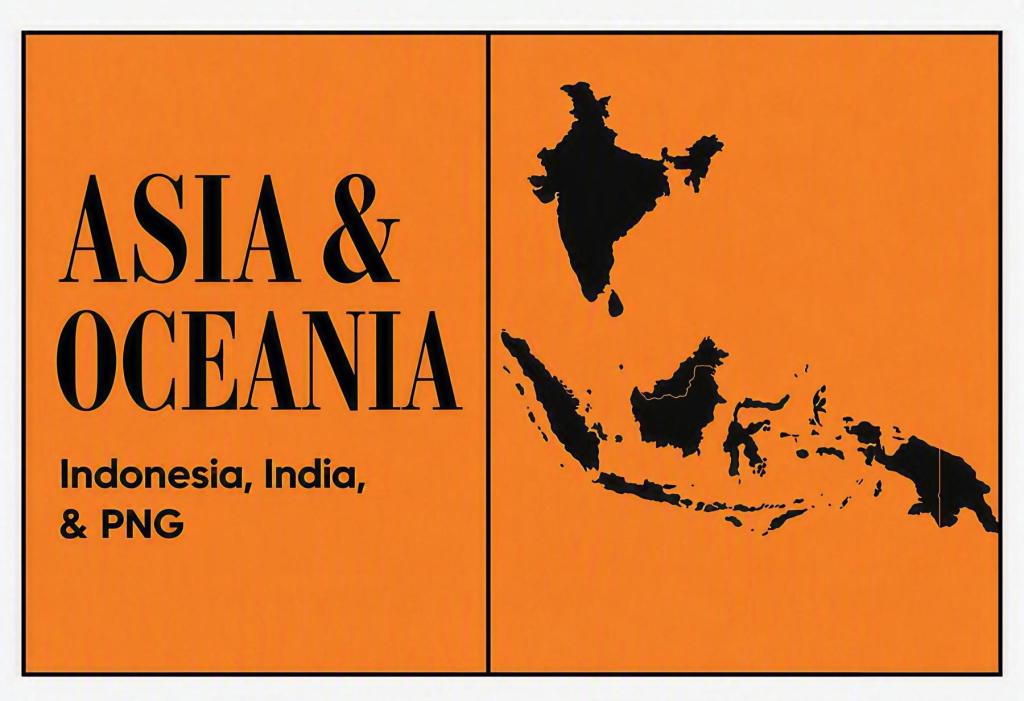
Asia & Oceania
This category of origins encompasses many different countries, regions, and individual islands. The coffees from Asia and Oceania are known for being hearty and robust, with earthy, herbaceous flavors accompanied by notes of dried fruit. There is a rich and diverse coffee history throughout Asia and Oceania that has spanned over 400 years.
Indonesia
Indonesia has played a key role in shaping the global coffee trade since the late 1600s, when coffee was first cultivated on the island of Java. By the 1800s, production expanded to Sumatra, now one of the most distinctive and sought-after origins in the specialty coffee world.
Indonesian green coffee is also known for its traditional wet-hulling (Giling Basah) process, which imparts earthy, spicy, and complex characteristics -especially in Sumatran coffees. Whether you’re sourcing for bold single origins or blending with depth, Indonesian coffees offer a versatile and richly textured experience for roasters. Indonesian coffee production as a whole is comprised of the sub-regions of Sumatra, Java, Sulawesi, and Bali. Unpack Indonesian coffee in our origin article.
Sumatra and Sulawesi
Sumatra and Sulawesi are large islands in Indonesia and are well-regarded in the specialty coffee world for producing some of the boldest and most distinctive cup profiles available. The regions are best known for a signature processing method: Giling Basah (otherwise known as wet-hulling). This traditional technique gives these coffees their hallmark characteristics. —low acidity, deep body, and rich, earthy flavors. The processing method also imparts savory herbal notes, soft tobacco undertones, and a smooth, syrupy mouthfeel
- Bold and earthy
- Heavier bodied and syrupy
- Can be described as lower acidity
- Notes of dark chocolate, dried fruit, herbaceous, tobacco
- Hold up great to more developed roasting
- Great as a bold component in a blend
- Easily produce great crema for espresso
Bali and Java
These are two much smaller neighboring islands in Indonesia. Most of the coffees you’ll find here are semi-washed process, which imparts a specific flavor on coffees in the region. They are very similar in profile to other Indonesian coffees. Due to the smaller producers on both of these islands, there is some great variety.
- Dark chocolate and wood tones
- Earthy and herbaceous
- Light to medium bodied
- Notes of dried plum, black tea, cedar, and moss
- Lesser available microlots can be wild
India
India is mostly known for being a powerhouse in global Robusta production. The region is also known for its distinctive Monsooned Malabar—a process where harvested beans are purposefully exposed to monsoon winds and humidity, swelling the beans and muting their acidity. Indian coffee is a go-to option for those seeking a lower acidity, very robust option.
- Known to be low-acidity
- Earthy and nutty
- “classic” bold coffee flavor
- holds up well to darker roasting
- Notes of chocolate, earth and wood
Papua New Guinea
Often abbreviated to “PNG,” this island nation is located to the north of Australia. It’s home to over 850 spoken languages and 1,000 distinct indigenous tribes. Most coffee is cultivated by smallholder farmers who hand-pick and wash their harvests with traditional methods passed down through generations. The high altitudes, frequent rainfall, and rich, volcanic soil make for ideal conditions for growing high quality arabic coffee.
- Dark chocolate and brown sugar forward
- Can be very complex
- Heavy stone fruit acidity
- Medium to heavy body
- Notes of cherry, blackberry, plum, black tea, and hazelnut
- Can be a great substitution for Indonesian coffees
- Complexity highlighted best by light to medium roasting
- Holds up well to dark roasting
There is a Coffee for Everything
The world of coffee is a wide-reaching expedition of distant land that showcases the literal taste of the terroir at each place. For people new to sourcing, this comprehensive guide should give an idea of what one might find when curious about buying a specific coffee they might not be familiar with. There are many origins not covered here, but this is the majority of coffee producing regions that would be found when researching which green coffee to buy. Genuine Origin urges you to keep keep tasting, exploring, and to open your mind and palate.